Bronze Mirrors and the Concept of "Face" in Ancient Chinese Society: Identity and Social Status
|
Beyond their practical use for reflection, bronze mirrors in ancient China were also deeply intertwined with the concept of "face" (面子), a crucial element of social interaction that encompassed one's reputation, honor, and social standing. Mirrors, therefore, became not just objects for seeing oneself but also tools for managing social image and displaying one's place within the community. The concepts of status and identity are often closely associated with the way that objects are used in social situations.  The act of presenting or receiving a bronze mirror as a gift often conveyed a high degree of respect and social importance, recognizing the recipient's value and status within the community. The giving and receiving of these objects helped to underscore and acknowledge their value and importance. The exchange of mirrors was an important ritual for conveying respect and admiration. 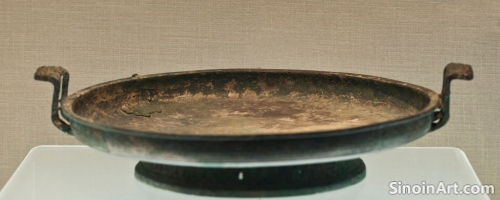 The mirrors themselves, with their carefully crafted designs and their reflection of light, were seen as objects that enhanced one's personal appearance and also their social presentation. The use of a mirror helped to show that one was not only aware of their appearance, but also that they were a person of substance and sophistication. Mirrors helped to establish and reinforce social hierarchies. 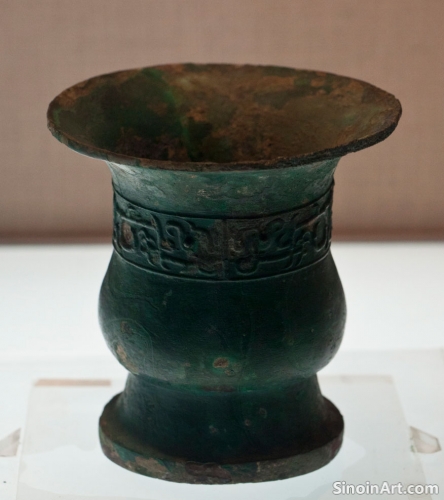 The placement of bronze mirrors in tombs also served to preserve the "face" of the deceased, ensuring that their social identity and status would be carried forward into the afterlife. These objects were intended to help to preserve the identity of the departed in the next world. The inclusion of these items helped to underscore the importance of social status both in life and after death. The study of bronze mirrors and their connection to the concept of "face" helps to reveal the complex social dynamics of ancient China, highlighting how material objects were used to establish identity, negotiate social relationships, and maintain social order. The careful study of these objects helps to enhance our understanding of the social and cultural norms of the time. The concept of face continues to be an important part of Chinese culture. |
Tag : bronze mirrors, mianzi, ancient Chinese society, social status, personal identity
Related information
- The Influence of Bronze Ware on Ancient Chinese Architecture: Decorative Elements and Structural Supports
- The Legacy of Chinese Bronze Ware in Contemporary Art and Design: New Interpretations
- Bronze Ware and Ancient Chinese Beliefs About Immortality: The Quest for Everlasting Life
- The Enduring Legacy of Bronze Ware: A Bridge Between Ancient and Modern China
- Bronze Ware and the Development of Ancient Chinese Metallurgy: Innovations and Techniques
This article explores the influence of bronze ware on ancient Chinese architecture, highlighting its use in decorative elements, structural supports, and other components that helped to enhance the beauty and functionality of ancient buildings.
This article explores the lasting influence of Chinese bronze ware on contemporary art and design, highlighting how artists and designers reinterpret and adapt ancient forms, motifs, and techniques, creating new works that connect the past with the present.
This article explores the connection between bronze ware and ancient Chinese beliefs about immortality, highlighting how mirrors, vessels, and symbolic designs were used to ensure the well-being of the deceased, and to help with their passage to an eternal existence.
This article reflects on the enduring legacy of Chinese bronze ware, emphasizing its continuing influence on art and culture, its role as a bridge between ancient and modern China, and the importance of preserving these invaluable treasures for future generations.
This article explores the development of ancient Chinese metallurgy in relation to bronze ware production, highlighting the discovery and use of different metals, the creation of alloys, the development of casting techniques, and the technical achievements of ancient metalworkers.